

Medical specialists in Sunny Beach
Orthopedist
Injuries, joints, spine, and musculoskeletal system
The orthopedic direction helps with joint pain, back pain, injuries, sprains, and limited movement.
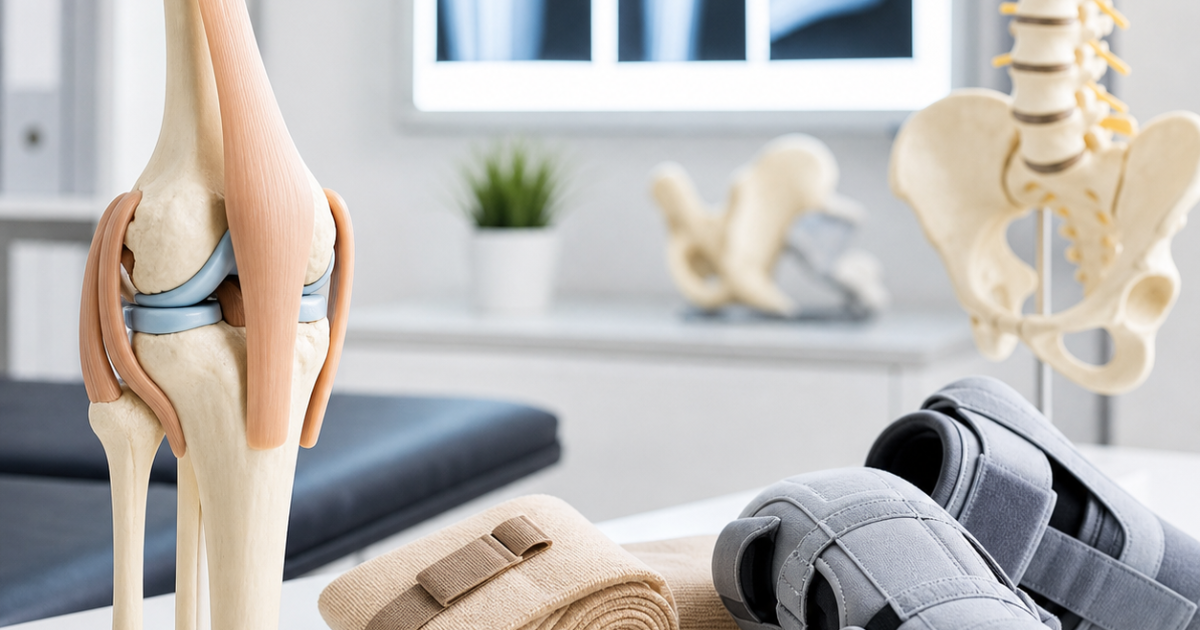
Orthopaedics concerns bones, joints and associated soft tissues, but the location of pain alone does not establish its cause. Examination assesses movement, support and functional limitations. Imaging complements that assessment when needed. In ongoing care, it is useful to follow the recovery of a specific function as well as changes in pain.
The purpose of the assessment
Orthopaedic assessment needs a specific account of function: can you walk as usual, bear weight on the limb, lift an arm or use your hand for everyday work? Describe the change from normal without testing movement through pain. For a longstanding problem, explain previous investigations and how activity changed before travelling.
A new injury and pain lasting for months need different starting accounts. After an injury, give the time, mechanism and area; for an ongoing concern, describe onset, earlier appointments and limitations. Mention previous operations and any braces separately. This helps distinguish a new episode from an established condition without deciding the diagnosis yourself in advance.
Preparing the clinical background
Bring earlier images and reports rather than a photograph of the final sentence alone. If you have a cast, support or other device, check examination arrangements beforehand without removing it yourself. Note which movements have become difficult and mention a planned flight or long journey, so travel can be discussed in the context of your condition.
From a question to the next step
- Movement history
- Describe the event or duration, earlier injuries and changes in daily function without performing painful tests yourself.
- Investigation records
- Supply images and reports; ask which materials can support comparison and whether a new examination is needed.
- Review plan
- Request clear personal restrictions, review timing and follow-up documents, particularly before returning from your holiday.
Results and continuing care
At the end, ask which restrictions apply to you, whether review is needed and what the next clinician should check. Having an image does not replace examination and assessment of movement. During follow-up, recording changes in the same everyday function, such as usual walking distance, is more useful than independently increasing activity to test recovery.
For continuing orthopaedic care, keep the restrictions discussed during the appointment as well as the final diagnosis. Record the review interval and the question it should resolve. If another specialist takes over at home, share the injury history, images and details of devices used. Returning to sport, work or a long journey needs individual discussion: the absence of one symptom should not be interpreted by yourself as permission for any level of activity.
Related departments
Arranging a visit to Saint Nicholas
For authorisation, distinguish the orthopaedic examination, possible images and later follow-up appointments. When using an insurance policy, check approval for the consultation separately from any additional investigations. Keep the case number, assistance response and payment conditions. A clinical referral and insurance authorisation serve different purposes; the need for a test does not confirm cover. Ask before attending which documents are required for payment or a later reimbursement claim, rather than trying to obtain missing papers after returning home.
What the Orthopedist specialty includes
- examination after falls and sports injuries
- assessment of pain in joints, back, muscles, and ligaments
- recommendations for immobilization and load regimen
- referral for X-ray or ultrasound
- monitoring recovery after injury
When to see a specialist: Orthopedist
- pain after a fall or impact
- swelling, bruise, or limited movement
- pain in the knee, shoulder, foot, hand, or back
- suspected sprain or fracture
- need to safely continue a trip or rest
Diagnostics and preparation for Orthopedist
- orthopedic tests and movement examination
- X-ray in case of suspected fracture or dislocation
- Ultrasound of soft tissues and joints as indicated
- laboratory diagnostics for inflammatory complaints